Optimal Timing for Foundation Repairs
Foundation repairs are essential for maintaining structural integrity and preventing further damage. The timing of repairs can impact their effectiveness and longevity. Understanding seasonal and environmental factors helps determine the optimal time for addressing foundation issues.
Spring offers moderate temperatures and manageable moisture levels, making it suitable for foundation work. Soil conditions are typically stable, reducing the risk of further shifting.
Summer's warm weather can facilitate repairs, but excessive heat and dry soil may complicate certain procedures. Early summer is often preferred for optimal conditions.
Fall provides cooler temperatures and often more stable soil moisture, which can be ideal for foundation repairs before winter.
Winter poses challenges due to freezing temperatures and frozen ground, which can hinder excavation and other repair processes.
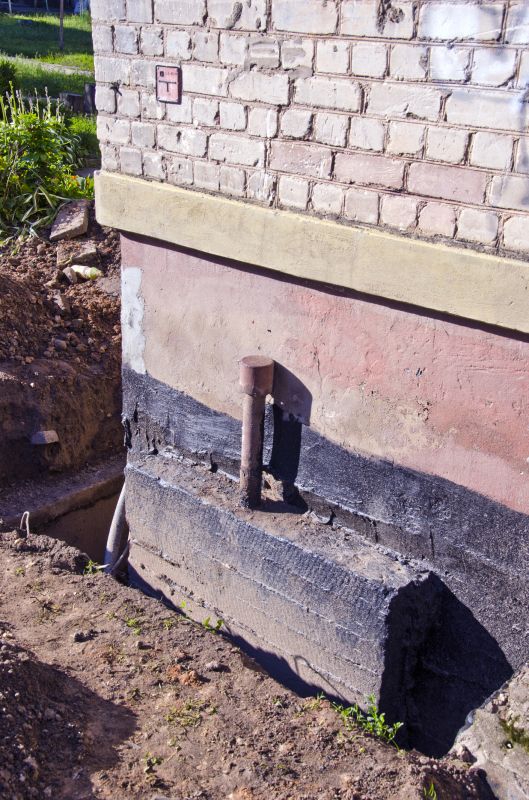
A crew working on foundation stabilization during favorable weather conditions.
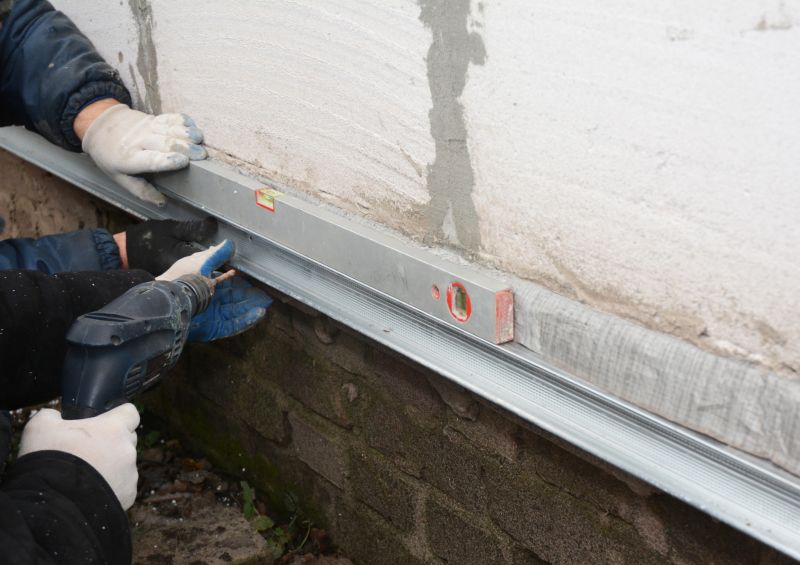
Equipment used for soil stabilization before foundation repair work.
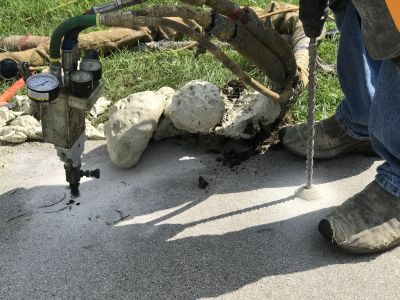
Tools and machinery commonly used in foundation repair projects.
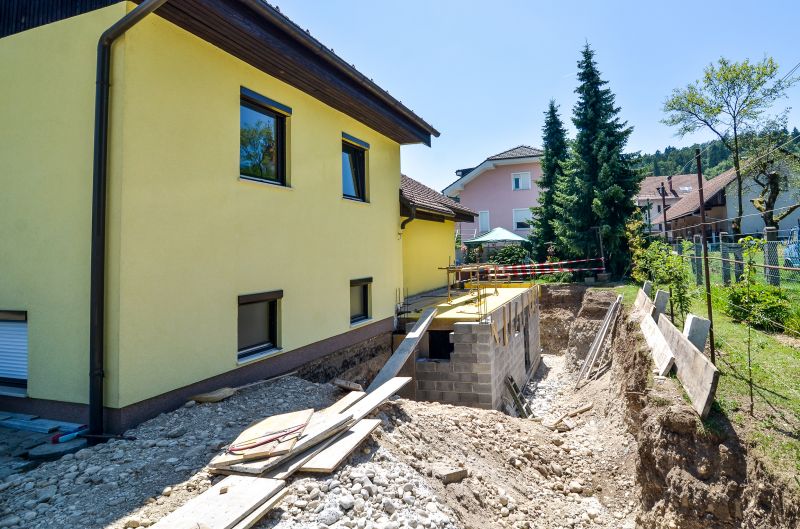
Ways to make Foundation Repairs work in tight or awkward layouts.
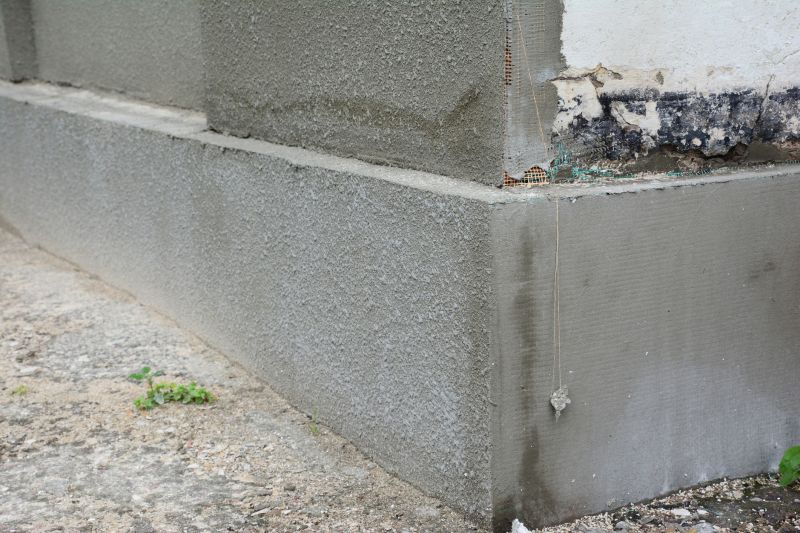
Popular materials for Foundation Repairs and why they hold up over time.
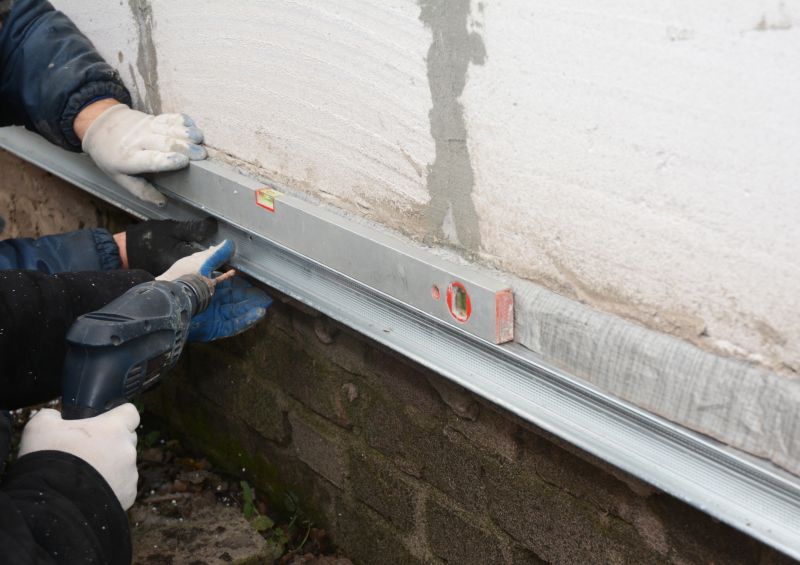
Simple add-ons that improve Foundation Repairs without blowing the budget.
| Season | Optimal Conditions |
|---|---|
| Spring | Moderate temperatures, stable soil moisture |
| Summer | Warm weather, early summer preferred |
| Fall | Cooler temperatures, stable soil moisture |
| Winter | Freezing temperatures, difficult conditions |
Foundation repairs involve correcting structural issues caused by soil movement, water intrusion, and aging materials. Proper timing ensures repairs are effective and durable. Seasonal factors like soil moisture and temperature significantly influence repair success. For example, dry or frozen ground can hinder excavation, while moist soil may cause shifting or settling post-repair. Regular inspections help identify issues early, allowing repairs to be scheduled during the most suitable conditions for long-term stability.
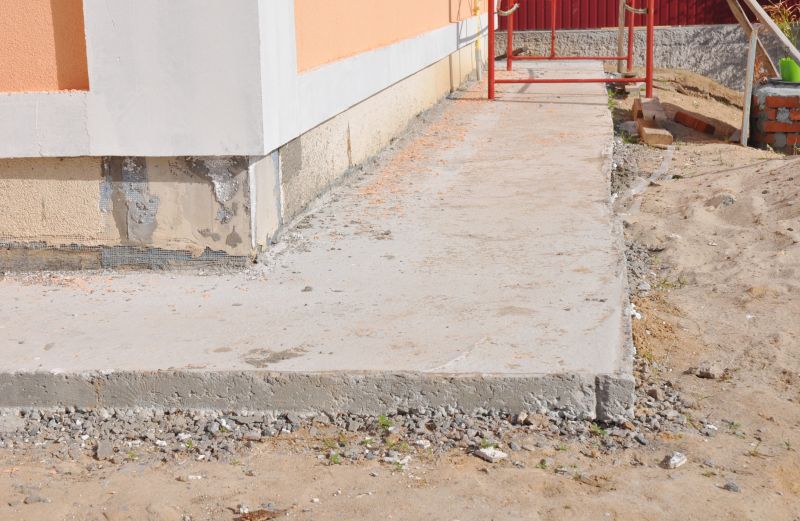
An active foundation repair project underway outdoors.
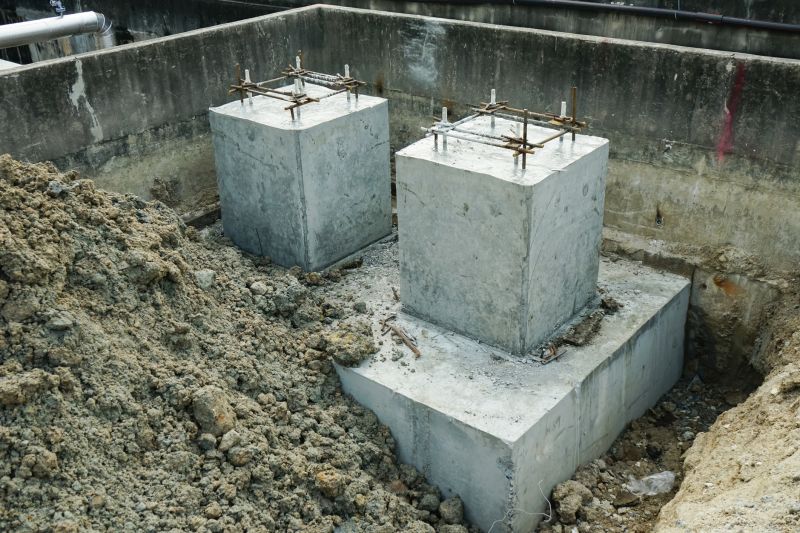
Installation of piers to stabilize the foundation.
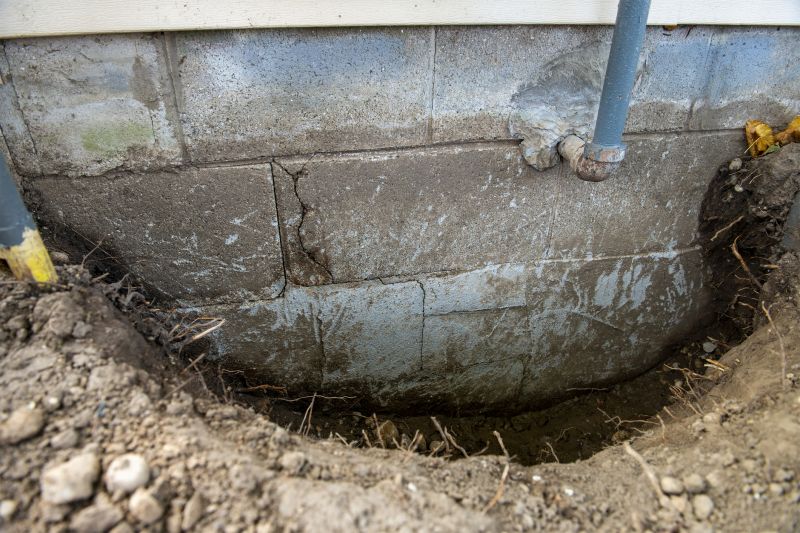
Sealing and repairing cracks in the foundation wall.
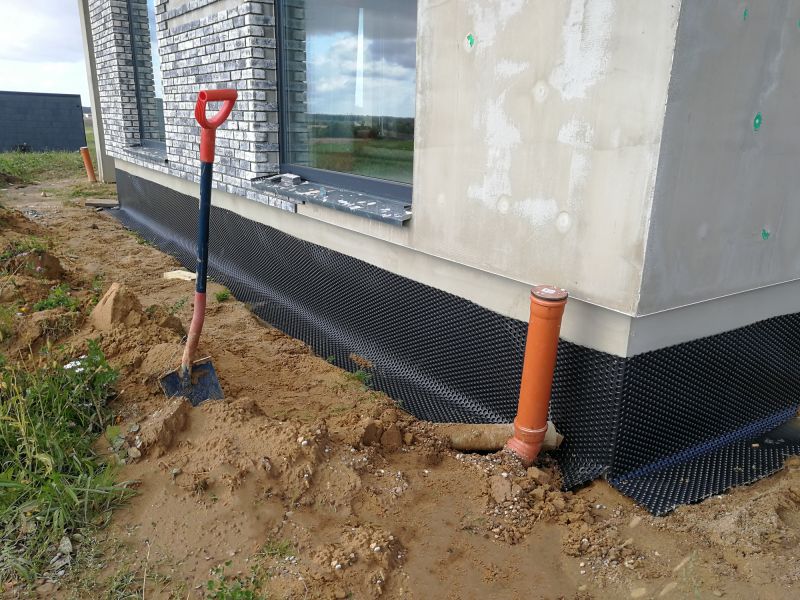
Installing drainage systems to prevent water-related foundation issues.
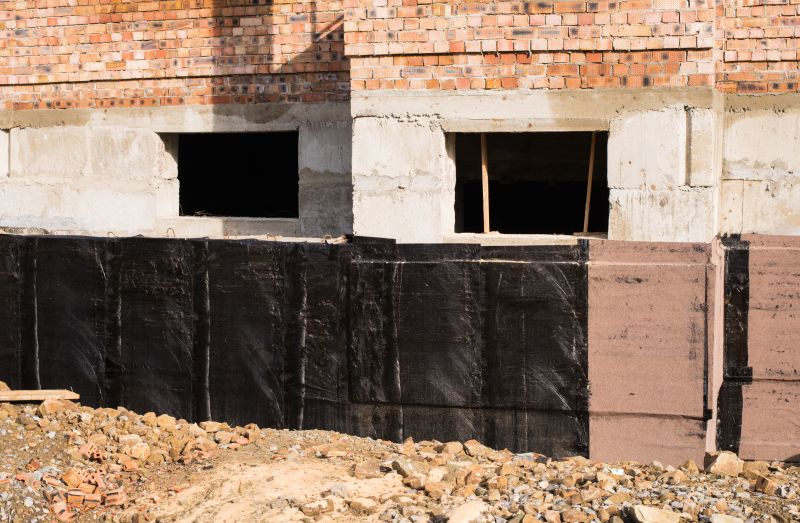
High-end options that actually feel worth it for Foundation Repairs.
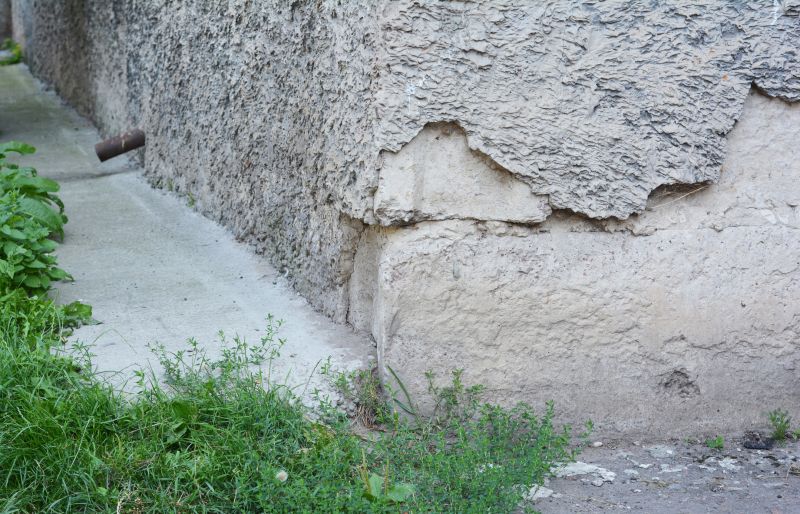
Finishes and colors that play nicely with Foundation Repairs.
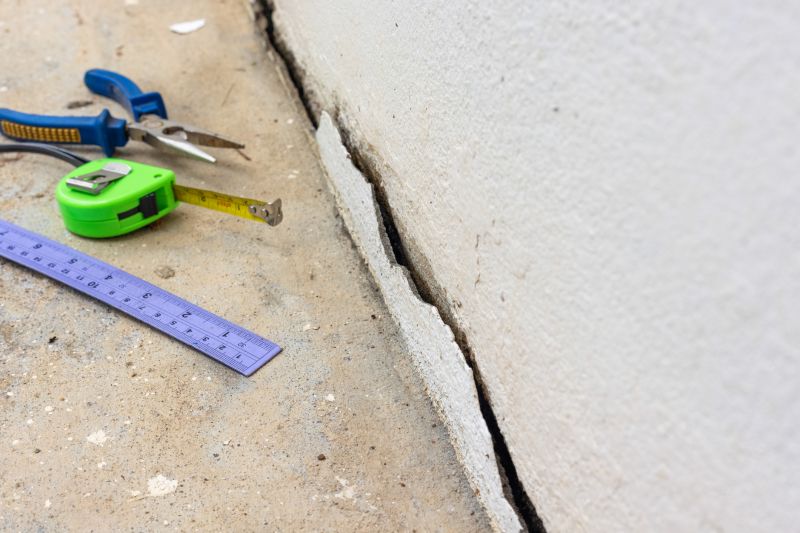
Little measurements that prevent headaches on Foundation Repairs day.
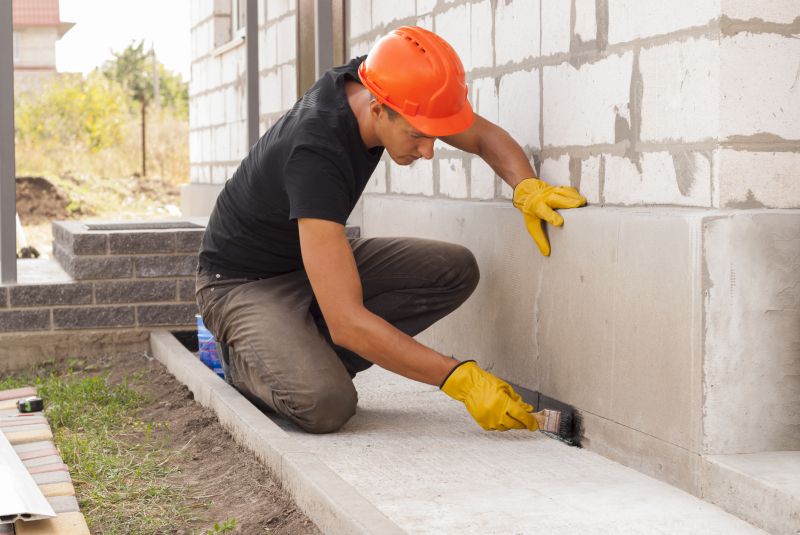
A 60-second routine that keeps Foundation Repairs looking new.
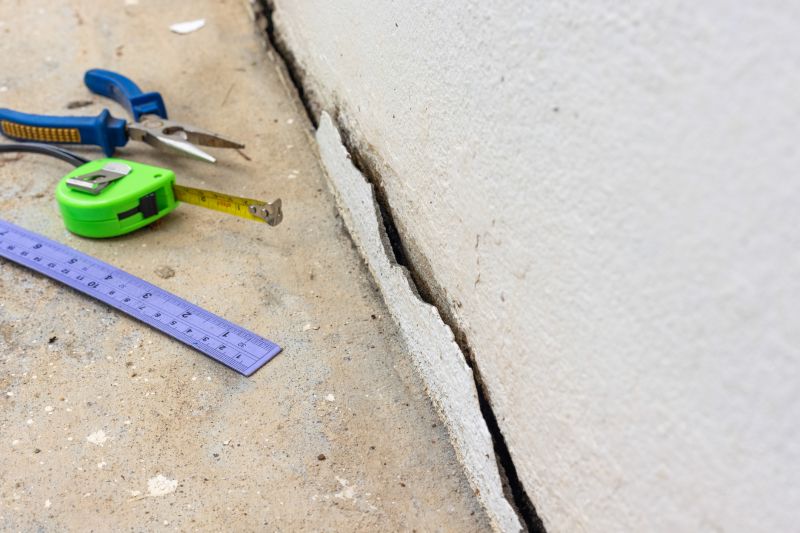
A frequent mistake in Foundation Repairs and how to dodge it.
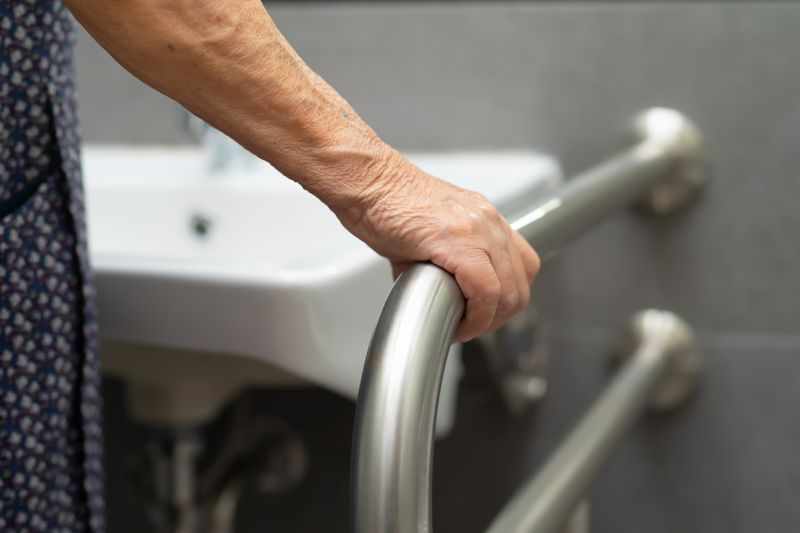
Small tweaks to make Foundation Repairs safer and easier to use.
Timely foundation repairs can prevent costly structural damage and improve property value. Addressing issues during the optimal seasons reduces the risk of complications caused by weather conditions. Regular maintenance and inspections are recommended to catch early signs of foundation problems, ensuring repairs are as effective as possible.
Cracks in walls, uneven floors, and sticking doors may indicate foundation issues.
Common methods include piering, underpinning, and crack repair.
Repair costs vary based on the extent of damage, method used, and property size.
Proper drainage, soil stabilization, and regular inspections help prevent foundation issues.
Interested property owners in Mattoon, Illinois, can benefit from timely foundation repairs to maintain structural integrity. Properly scheduled repairs during the most suitable seasons can extend the lifespan of the foundation and prevent future issues. Contact a foundation specialist to evaluate current conditions and discuss repair options.