
Popular Foundation Stabilization Products For Structural Integrity
Explore a variety of foundation repair options that reinforce and stabilize your home’s foundation efficiently.
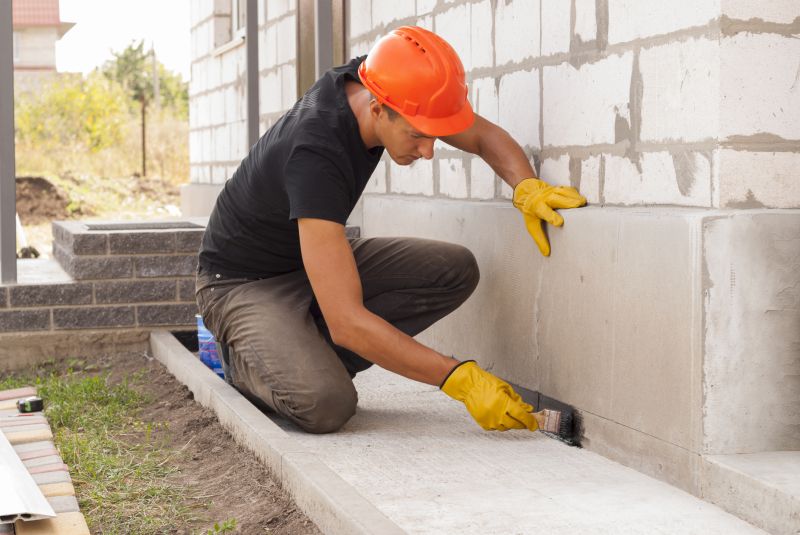 Foundation repairs are a critical aspect of maintaining the structural integrity of a building, especially in regions like Mattoon, IL, where soil conditions and weather patterns can influence foundation stability. Various products are available to address different types of foundation issues, including cracks, settling, and shifting. Selecting the right repair products depends on the specific problem, the extent of damage, and the underlying soil conditions. These products are designed to reinforce, lift, and stabilize foundations, helping to prevent further deterioration and ensure safety.
Top Overall Option
Foundation Stabilization Kits
Foundation stabilization kits typically include a combination of underpinning supports, jacks, and epoxy resins designed to address a variety of foundation issues. These kits are versatile and can be used for lifting, leveling, and reinforcing foundations with minimal disruption. They are suitable for DIY projects as well as professional repairs, offering a comprehensive solution for common foundation concerns. When selecting a kit, consider the scope of your repair needs and ensure it includes all necessary components for your specific situation.
Types of Products For Foundation Repairs
Epoxy Injection Kits
Used to seal cracks and restore structural integrity, epoxy injection kits are essential for addressing small to medium cracks in concrete foundations.
Helical Pier Systems
Helical piers are installed beneath the foundation to provide stable support and prevent further sinking, suitable for deep or unstable soils.
Push Piers
Push piers are driven into the soil to lift and stabilize sinking foundations, often used in cases of significant settlement.
Slab Jacking and Mudjacking
This technique involves pumping a slurry beneath concrete slabs to lift and level sunken slabs, restoring surface stability.
Underpinning Systems
Underpinning involves extending the foundation depth or width to improve stability, often utilizing concrete or steel supports.
Soil Stabilization Materials
These materials improve soil compaction and reduce shifting, helping to prevent future foundation problems.
Moisture Control Products
Products like vapor barriers and drainage systems help regulate soil moisture levels around the foundation, reducing movement.
Hydraulic Lifting Equipment
Hydraulic jacks and lifting systems are used to raise and level uneven concrete slabs and foundations.
Crack Repair Sealants
Sealants designed for concrete cracks help prevent water infiltration and further deterioration.
Foundation Wall Reinforcements
Steel or carbon fiber reinforcement products strengthen compromised foundation walls against bowing or cracking.
Drainage Systems
Proper drainage solutions divert water away from the foundation, reducing hydrostatic pressure and soil erosion.
Vapor Barriers
Installed beneath slabs or over crawl spaces, vapor barriers help control moisture levels around the foundation.
Foundation Monitoring Devices
Sensors and monitoring systems track movement or shifts in the foundation over time, aiding in early detection.
Concrete Patching Products
These products are used to repair surface damage and cracks on concrete slabs and walls.
Popular Choices
Widely used for sealing foundation cracks, epoxy fillers are available in various formulations for different crack sizes.
These kits facilitate the lifting and leveling of sunken concrete slabs, often used in driveways and patios.
Push piers are a common choice for stabilizing sinking foundations, offering a long-term support solution.
Helical piers are frequently selected for their ability to support deep or shifting foundations with minimal disturbance.
Used to lift and level slabs, mudjacking involves pumping a slurry beneath the surface to restore evenness.
Carbon fiber straps and steel braces are popular for reinforcing bowed or cracked basement walls.
Products that improve soil compaction are trending for their role in preventing future foundation issues.
Effective drainage solutions are key in managing water around foundations and are frequently sought after.
Vapor barriers and moisture control membranes are common choices for protecting foundations from excess moisture.
Hydraulic jacks are often used for precise lifting and leveling of uneven slabs and foundations.
Sealants for concrete cracks are frequently selected for their ease of application and water resistance.
Underpinning systems are popular for stabilizing foundations that have experienced significant settlement.
Commonly used foundation repair solutions include epoxy injections for sealing cracks, underpinning systems to stabilize sinking foundations, and hydraulic jacking equipment to lift and level uneven slabs. Many repair products are engineered for durability and ease of application, making them suitable for both professional contractors and experienced homeowners. Proper assessment and application are essential to achieve effective results, so consulting with foundation repair specialists can be a beneficial step.
In addition to structural repairs, preventative products such as moisture control systems and soil stabilization materials can help mitigate future issues. It is important to understand the specific needs of your property and choose products that are compatible with your foundation type and soil conditions. Regular inspections and maintenance can also prolong the lifespan of foundation repairs and help detect early signs of trouble.
Investing in quality foundation repair products can provide peace of mind and contribute to the long-term stability of your home or commercial building. Whether addressing minor cracks or major shifts, selecting the appropriate products tailored to your situation is key to effective and lasting repairs.
Key Buying Considerations
- Assess the specific type and extent of foundation damage before selecting products.
- Ensure compatibility of repair products with your foundation material, whether concrete, brick, or stone.
- Consider the soil conditions and moisture levels in your area to choose appropriate stabilization methods.
- Evaluate whether the repair requires professional installation or if it can be safely managed as a DIY project.
- Check the load-bearing capacity of underpinning supports and piers to match your property's needs.
- Look for products with clear instructions and adequate safety features for ease of use.
- Determine if the repair solution allows for future inspections or adjustments as needed.
- Review warranty and durability information to ensure long-term effectiveness.
- Select products that are suitable for the size and scope of your foundation issues.
- Consider environmental factors such as water drainage and moisture control to prevent recurrence.
- Research local building codes and regulations to ensure compliance with repair methods and materials.
- Evaluate the availability of customer support and technical assistance from the supplier.
- Compare costs and benefits of different repair options to find the most suitable solution within your budget.
- Prioritize products from reputable suppliers with positive reviews and proven performance.
- Plan for proper site preparation and safety measures during installation or repair work.